

 See My Latest Article on HelloNation
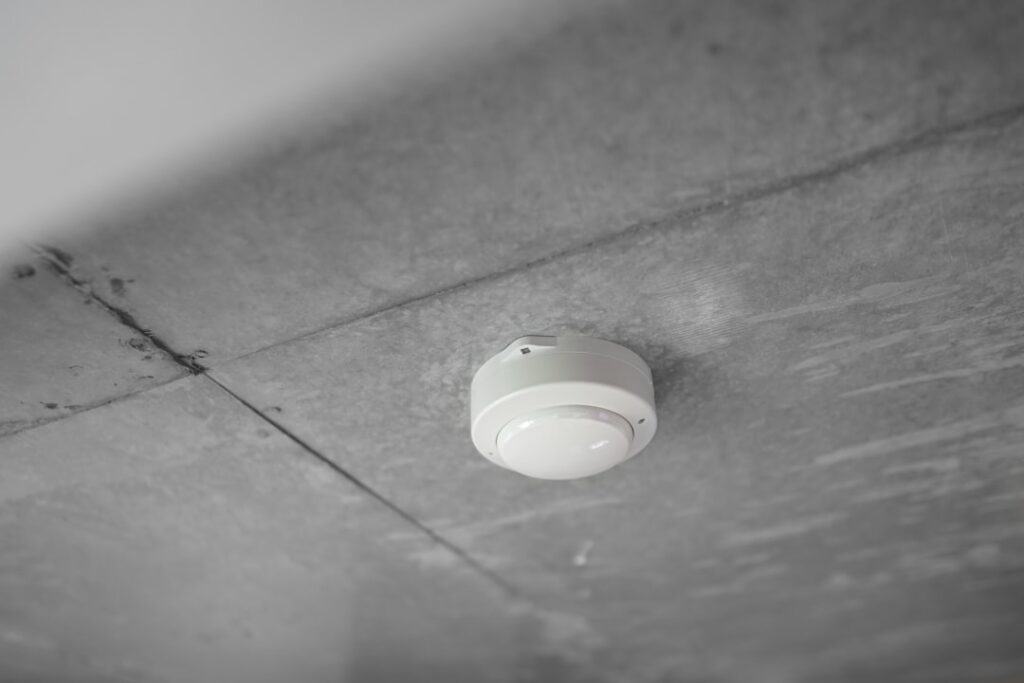
What Is the Purpose of a Smoke Alarm?
A smoke alarm is a life-saving device designed to alert people early when smoke is detected, often long before flames or heat become dangerous. In homes throughout Plainfield, this early warning is critical for allowing enough time to safely exit, especially at night when fire hazards might go unnoticed.
How Do Smoke Alarms Detect Smoke?
Smoke alarms use sensors to notice particles produced by burning materials. The two common types found in area homes are ionization and photoelectric detectors.
- Ionization Smoke Alarms: These are better at detecting small, fast-flaming fires, which release lots of combustion particles. Inside, a tiny amount of radioactive material sits between two plates, creating an electric current. When smoke enters, it disrupts the current and triggers the alarm.
- Photoelectric Smoke Alarms: These excel at detecting smoldering, smoky fires, such as those that might start from an overheated appliance or a slow-burning couch. They use a beam of light inside a chamber; when smoke enters, it scatters the light, activating the alarm.
Many modern homes and apartments in Plainfield use smoke alarms that combine both technologies, offering broader protection.
Where Should Smoke Alarms Be Installed in Plainfield Homes?
Proper placement is critical to ensure smoke alarms work effectively. State fire codes and recommendations from safety experts offer clear guidance for placing alarms in single-family homes, apartments, and condos throughout the area.
Install smoke alarms:
- Inside every bedroom or sleeping area
- In the hallway outside each separate sleeping area
- On every level of the home, including the basement
For split-level or open-plan layouts common in Plainfield, make sure there’s at least one alarm for each distinct floor, including any attic spaces used for living or sleeping.
Avoid placing smoke alarms:
- In kitchens (where regular cooking can trigger false alarms)
- Near windows, doors, or ducts (as drafts may prevent smoke from reaching the sensor)
- In very damp spaces like bathrooms (as steam can cause false alarms)
What Are Common Mistakes with Smoke Alarm Placement?
Even with clear guidelines, some errors are easy to make—especially in older homes or during renovations.
Common oversights include:
- Missing alarms in basements or finished attics
- Placing alarms too close to ceiling fans or HVAC vents (which may draw smoke away)
- Installing alarms on new additions but forgetting to update the rest of the home
- Using only one alarm for a large floor, which can delay warnings in distant rooms
Local housing styles in Plainfield sometimes feature interconnected layouts. In these cases, interconnected smoke alarms—wired or wireless—can offer added protection by causing every alarm in the home to sound at once if smoke is detected anywhere.
How Should Smoke Alarms Be Installed: Ceiling vs. Wall?
For maximum effectiveness, smoke alarms should generally be installed on the ceiling, where smoke naturally rises. In cases where a wall installation is necessary, place the alarm high on the wall, at least 4 inches down from the ceiling but not more than 12 inches below it.
Specific tips:
- Keep alarms at least 10 feet from stoves or shower doors, to reduce false alarms from steam or cooking smoke.
- For peaked ceilings, install the alarm within 3 feet of the highest point, but not right in the peak’s corner where airflow may be limited.
- Avoid mounting directly above ceiling fans or near air supply registers.

How Often Should Smoke Alarms Be Tested and Maintained?
Local fire officials recommend testing every smoke alarm once a month by pressing the test button. Batteries should be replaced at least yearly, or sooner if the unit “chirps” to indicate low power. Most smoke alarms have a lifespan of about ten years—after that, the entire unit should be replaced, even if it still seems to function.
Tips specific to Plainfield households:
- Humidity and changing temperatures, common in Indiana’s seasonal climate, can affect battery life and sensor function. Check alarms more frequently during spring and fall when windows are open and humid air is present.
- If the alarm sounds when there's no smoke, check for dust or cobwebs inside the housing and gently vacuum around the sensor.
Are There Local Smoke Alarm Regulations to Know?
All homes in Plainfield must follow Indiana’s state building codes, which require smoke alarms in every sleeping area, outside each bedroom, and on each floor level. Upgrades or additions to older homes may trigger requirements for updated alarm installation, even if existing devices seem sufficient. Local fire officials may have guidance on special considerations for unique homes, historical properties, or short-term rental units.
What Special Considerations Apply for Area Residents?
Plainfield’s housing mix includes single-family homes, apartments, and senior living communities. Consider these scenarios:
- Residents with hearing impairments may need alarms with strobe lights or vibrating pads.
- In shared housing or multifamily buildings, interconnected alarms can improve safety for everyone.
- For households with young children or elderly occupants, test alarms together and create a simple fire escape plan everyone understands.
What Questions Should Residents Keep in Mind?
When evaluating your home’s smoke alarm coverage, ask:
- Are there alarms in every sleeping area and each floor, including basements and finished attics?
- Are the alarms placed away from direct drafts, steam, and potential dust sources?
- Are all alarms less than 10 years old and tested monthly?
Understanding these basics provides consistent, reliable protection in every season.