

 See My Latest Article on HelloNation
How Do Electrical Systems Become Fire Hazards?
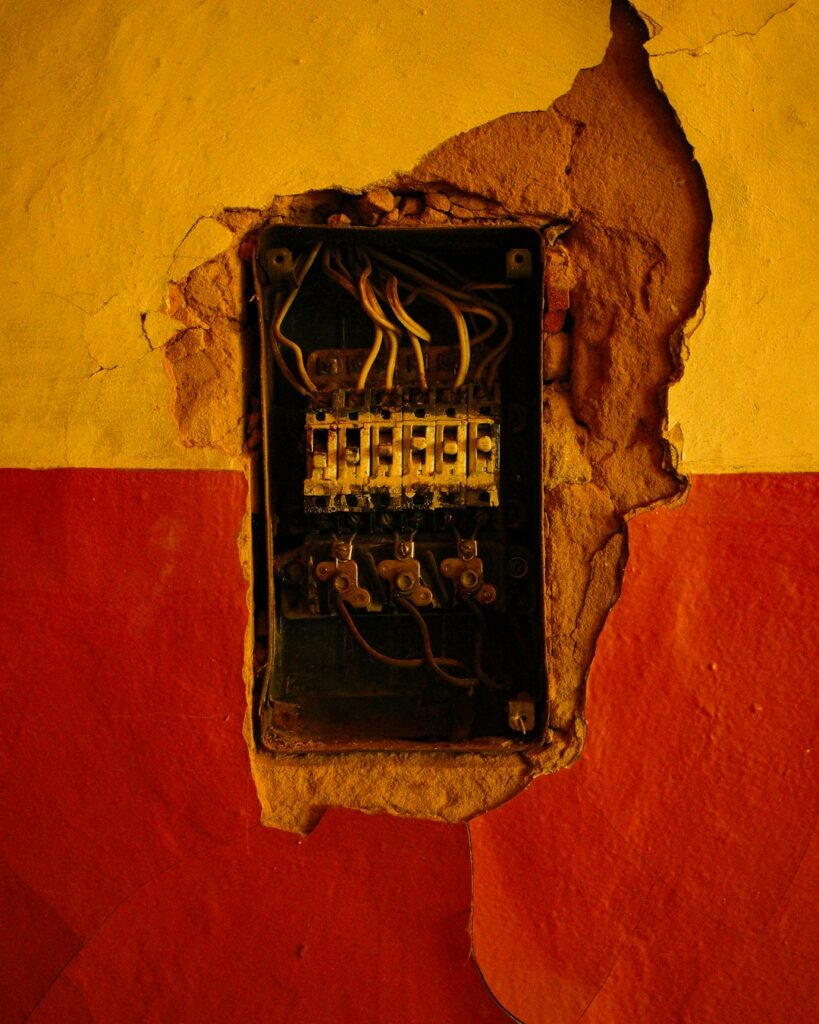
Faulty or aging electrical systems are a leading cause of residential fires, including in Plainfield, IN. Worn wiring, outdated panels, and mistakes during home improvements can create hidden risks. Local homes built before modern wiring codes may be especially vulnerable, but newer homes can also develop issues due to overloaded circuits or do-it-yourself repairs.
Electrical hazards often develop quietly over time. Vigilance and early recognition of warning signs are key to preventing a small electrical problem from escalating into a house fire.
What Are the Most Common Warning Signs?
Several everyday warning signs may signal an electrical issue that could pose a danger:
- Frequent tripped breakers or blown fuses: Occasional occurrences are normal during power spikes, but repeated incidents can indicate an overloaded circuit, short, or faulty appliance.
- Lights that flicker, dim, or buzz: Unstable lights often point to loose wiring, corroded connections, or overloaded circuits.
- Warm or discolored wall plates and outlets: If outlets or switch covers are warm, brown, or scorched (even slightly), wires behind the wall may be overheating.
- Unusual odors: A burning or electrical smell, especially near outlets or the main electrical panel, requires immediate attention. Do not ignore even faint smoky scents.
- Sparking or unusual noises: Outlets, switches, or breaker panels that make popping, sizzling, or crackling sounds could signal serious problems.
These signs can arise from normal household activities—vacuuming, plugging in seasonal lighting, or adding new devices to an older home. Residents sometimes attribute problems to “old wiring” or a “quirky” home, but these are never harmless quirks.
Can Older Homes in Plainfield Be Higher Risk?
Older houses in the city often have electrical systems that were safe by the standards of their era, but these systems may now be overburdened by today’s demands. Local homes built before the 1980s may have aluminum wiring, undersized circuit breakers, or outdated two-prong outlets.
The following features are more common in older homes and carry elevated risk:
- Knob-and-tube wiring: This system, common until the mid-20th century, lacks basic modern safety features such as grounding.
- Fuse-based panels instead of circuit breakers: While safe if maintained and not overloaded, improper fuse sizing or “pennying” (putting a coin behind a blown fuse) creates serious fire risk.
- Lack of Ground Fault Circuit Interrupters (GFCIs): Modern codes require GFCIs near water sources (bathrooms, kitchens, basements). Their absence leaves residents vulnerable to shocks and electrical fires.
Weather patterns unique to Plainfield, such as humidity in summer and freezing winter temperatures, can worsen issues. Moisture intrusion or seasonal expansion and contraction in wiring increases the likelihood of hidden faults.
Is Overloaded Wiring a Hidden Problem?
Over time, additional appliances, power strips, or space heaters can push circuits past their limits. Modern households often have more high-wattage electronics than older wiring was designed to handle, particularly in basements, garages, and converted attics common in the area.
Warning signs of overloading include:
- Circuit breakers that trip during routine activities, such as vacuuming or running window air conditioners
- Extension cords or power strips used as permanent fixtures
- Outlets with multiple adapters or daisy-chained surge protectors

Often, residents adapt to limited outlets with creative workarounds, but these habits can quickly create dangerous overloads without obvious symptoms until a hazard develops.
How Can You Check for Subtle Hazards?
Not all risks are visible. Some develop gradually or are hidden behind walls and ceilings. During DIY projects or renovations, unintentional damage—such as driving a nail into a wire—can expose conductors, with little immediate indication.
Some subtle signs to watch for:
- Sudden unexplained electrical “tingle” when touching appliances or metal fixtures
- Circuit breakers or fuses that always seem warm to the touch
- GFCIs that frequently reset without reason
Maintaining awareness during storms or after power outages is also wise. Surges or lightning strikes can damage wiring and equipment in ways that are not always immediately obvious.
What Misconceptions Do Residents Commonly Have?
Many assume that if switches and outlets “seem to work,” electrical issues aren’t urgent. Others believe that resetting breakers solves the problem, when in fact it may only mask a bigger concern.
Another frequent misconception is that all flickering lights are due to power company issues, rather than in-home wiring. Building codes and safety standards have evolved, but not all homes have been updated to comply. DIY repairs or unpermitted work can further compound risks.
When Should You Seek Professional Help?
Certain scenarios require expert evaluation for community safety. If there is any sign of melting, sparking, burning odor, or visible smoke coming from outlets or breaker panels, it is unsafe to ignore the problem. Additionally, any sign of electrical arcing or repeated power loss in parts of the home calls for immediate attention.
Local residents should never attempt to repair wiring inside walls, panels, or outlets unless familiar with residential codes and safety standards. Area fire and building codes exist specifically to minimize risk in homes, apartments, and condominiums. For all but the most basic safety checks (like testing GFCIs), issues involving electrical system components are best addressed by trained professionals to ensure both safety and code compliance.