

 See My Latest Article on HelloNation
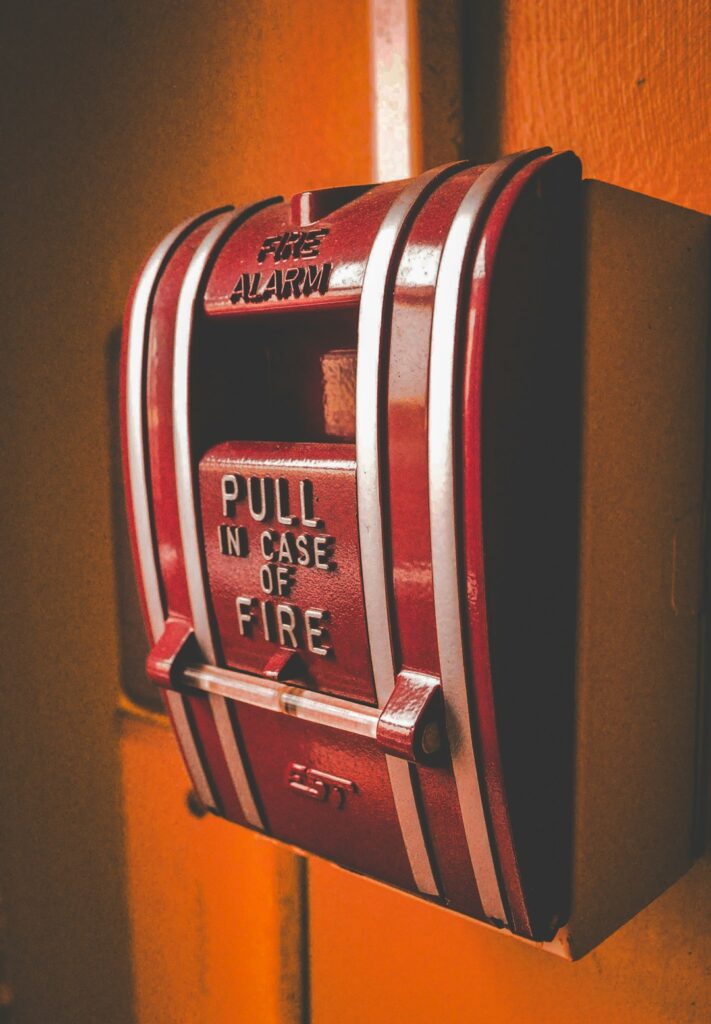
Why Routine Smoke Detector Checks Matter for Local Homes
Regularly checking smoke detectors helps ensure they function when needed most. In a community like Plainfield, IN, where many homes blend new construction with older properties, proper smoke alarm maintenance can address risks from both modern and dated electrical systems. Local weather patterns, such as dry winters caused by furnace use and humid summers, can also influence battery life and overall device performance. Ensuring alarms work as intended isn’t just about following code—it’s a routine safety habit that protects people, pets, and property.
How Often Should Smoke Detectors Be Tested?
The National Fire Protection Association recommends testing each smoke detector monthly. For Plainfield households, this aligns with seasonal household routines—think of it like checking your HVAC filter. Monthly testing helps detect issues with batteries, sensors, or connections before a real emergency occurs.
During daylight saving time changes is a common reminder, but monthly checks deliver better peace of mind year-round.
What’s the Right Way to Test a Smoke Detector?
Testing a smoke detector is simple and usually takes less than a minute. Here’s a practical step-by-step approach for area homes:
1. Let everyone in the home know you’ll be running a test—smoke alarms are loud.
2. Stand on a stable surface to reach the alarm. Use a chair or step stool if needed.
3. Press and hold the test button on the unit. A loud siren should sound after a second or two.
4. If the alarm is faint, delayed, or silent, replace the battery and test again.
5. If the detector still doesn’t operate, it may need to be replaced.
Many Plainfield homes feature interconnected systems. If pressing one test button triggers all alarms, that’s a sign your networked alarms are linked correctly.
How Often Should Smoke Detector Batteries Be Changed?
For most battery-powered or battery-backup devices, the battery should be changed at least once a year—even if the alarm is not beeping. In HVAC season, extreme indoor temperature shifts sometimes cause battery drain. Replace batteries at the same time each year for consistency (many residents choose the start of heating season). If your alarm beeps regularly, that’s a low-battery alert and requires immediate attention.
Some smoke detectors have sealed, long-life batteries. These units are designed to be replaced entirely after 10 years (not just the battery). Always check specific model instructions.
Where Should Smoke Detectors Be Located in Area Homes?
Local codes, based on national fire safety recommendations, specify key locations:
- Inside every bedroom
- Outside each sleeping area
- On every level of the home, including basements
In homes with attached garages, install a detector nearby to alert residents in case car exhaust or mechanical fires occur. Avoid placing detectors too close to bathrooms or kitchens, where steam or cooking fumes could cause false alarms.
Are There Common Mistakes Residents Make?
Several overlooked habits can reduce the effectiveness of smoke detectors:
- Forgetting to test monthly—many local households let this step slide for months at a time.
- Painting over detectors during home projects, which can block the sensor.
- Ignoring “chirping” sounds, which signal low batteries or expiration.
- Placing detectors in corners or near HVAC vents, which can prevent smoke from reaching the sensor.
Think about seasonal activities, such as holiday decorating or spring cleaning—these are smart times to double-check nothing is blocking, hanging from, or damaging the detector.
What Maintenance Should Be Done Besides Testing?

Smoke detectors need more than just battery changes and button testing for reliable operation:
- Gently vacuum the detector’s exterior every few months to clear dust and cobwebs.
- Avoid using cleaning sprays or wet cloths directly on the alarm.
- Inspect mounting brackets to ensure the device is still firmly attached to the ceiling or wall.
Typically, smoke detectors should be fully replaced every 10 years, regardless of model or power source. Most have a manufacturer’s date on the back—check this during your routine maintenance.
What If a Detector Keeps Setting Off False Alarms?
Frequent false alarms can be frustrating, but they’re often easily solved:
- Check for nearby sources of steam, cooking smoke, or dust— move the detector if it’s too close to these.
- Ensure exhaust fans and home ventilation are operating properly in kitchens and bathrooms.
- Replace overly sensitive units with newer models that may distinguish better between smoke and other particles.
Never remove batteries or unplug a nuisance alarm, as that leaves the household unprotected.
Do Local Rules Require Special Types of Smoke Detectors?
Most area homes use either ionization or photoelectric detectors. Both are permitted under current building codes, and each is sensitive to different types of fires. For best coverage, consider using a combination of both. Interconnected alarms—so all units sound if one detects smoke—are required in most new or remodeled Plainfield homes. All smoke detectors installed must be listed by a recognized testing laboratory.
What If Someone in the Home Has Hearing Loss?
There are smoke detectors designed for residents who are deaf or hard of hearing. These units use strobe lights or vibration pads instead of, or in addition to, audible alarms. These can be especially important in multi-story homes or apartment settings common throughout the city.