

 See My Latest Article on HelloNation
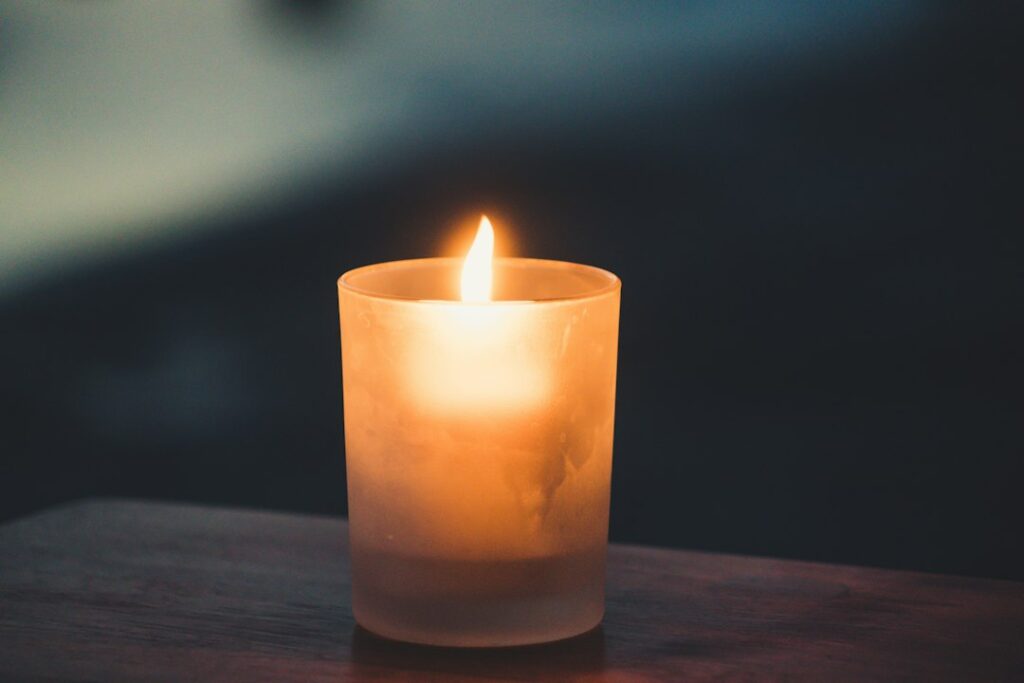
Candles can add warmth to a room, support religious observances, or provide comfort during a power outage. They also produce an open flame that can ignite curtains, bedding, paper, decorations, furniture, and clothing in seconds.
In Plainfield, IN, candle safety is especially relevant during winter gatherings, holiday decorating, severe-weather outages, and periods when homes are closed up against cold temperatures. A few simple habits can significantly reduce the chance that a candle becomes the starting point for a home fire.
Why can candles cause serious home fires?
Candles most often become dangerous when they are left unattended, placed too close to combustible materials, or positioned where they can be knocked over.
National fire data shows that thousands of home structure fires each year begin with candles. Bedrooms are a particularly common location because people may fall asleep while a candle is burning or place candles near bedding, mattresses, curtains, and upholstered furniture.
A candle flame may appear small, but the surrounding heat can dry, warm, and ignite nearby materials. A decorative item does not need to touch the flame to become hazardous. Heat rising from the candle can affect objects above or beside it.
Where should candles be placed?
Place every lit candle on a stable, heat-resistant surface where it cannot be easily tipped over. Keep the candle at least 12 inches away from anything that can burn.
That includes:
- Curtains, blinds, bedding, towels, and clothing
- Books, paper, mail, and cardboard
- Seasonal decorations, artificial greenery, and fabric items
- Furniture, shelves, and upholstered surfaces
- Children’s toys and pet bedding
- Wall decorations or objects hanging above the flame
Avoid placing candles on narrow ledges, the edge of a bathtub, an unstable table, or a surface that vibrates when people walk nearby. A sturdy holder should be large enough to catch melted wax and designed to keep the candle upright.
Do not place a candle where a pet can reach it, where children may pull on the surface supporting it, or where a person could brush against it while walking through the room.
Should candles be used during a power outage?
A flashlight is safer than a candle for emergency lighting. During a power outage, residents may be moving through dark rooms, checking on children or older adults, preparing food, or using temporary heating equipment. These activities increase the chance that a candle will be bumped or forgotten.
Keep flashlights in convenient locations and check their batteries periodically. Battery-operated lanterns and flameless candles can also provide light without exposing the home to an open flame.
If a candle is used for a specific religious or ceremonial purpose during an outage, it should remain under constant adult supervision and be extinguished before anyone leaves the room.
How can families use candles more safely?
The safest practice is to use flameless alternatives, especially in bedrooms, children’s rooms, bathrooms, near decorations, and anywhere people may become tired or distracted.
For households that use traditional candles:
- Light only candles that are placed in appropriate holders.
- Trim long or uneven wicks according to the candle manufacturer’s directions.
- Keep matches and lighters locked away from children.
- Do not carry a lit candle from room to room.
- Keep loose sleeves, scarves, hair, and other clothing away from the flame.
- Never use a candle near oxygen equipment or other flammable gases.
- Extinguish the candle before leaving the room, leaving the home, or going to sleep.

A person should not rely on another household member to remember a burning candle. The person who lights it should take responsibility for putting it out.
Are candles safe around children and pets?
No lit candle should be considered safe simply because it is placed high on a table. Children may climb, reach, pull on tablecloths, or pick up candleholders that appear cool from the outside. Pets can knock candles over with a tail, paw, toy, or movement around furniture.
Use flameless candles in areas where children or pets spend time. If traditional candles are necessary, keep them in a location that is inaccessible from furniture, counters, shelves, and nearby objects. Avoid tablecloths or runners that hang over the edge and could be pulled down.
Teach children that candles are not toys and that an adult must handle matches, lighters, and candle lighting. Do not allow children to carry candles during celebrations unless the activity is specifically designed and closely supervised by responsible adults.
What candle mistakes are easy to overlook?
Several hazards are commonly missed because the candle itself appears controlled.
A candle placed inside a decorative arrangement may be surrounded by dried flowers, paper, ribbon, pine branches, or artificial foliage. These materials can ignite even when they are not touching the wick.
Candles near windows can heat curtains or blinds. Candles on bathroom counters may be close to towels, cosmetics, tissues, or plastic containers. A candle on a mantel may be below decorations that can fall into the flame. A candle in a glass container may also remain hot long after the flame is extinguished.
Never move a candle while the wax is liquid. Do not use water to extinguish a candle, because hot wax can splatter and cause burns. Use a candle snuffer when appropriate, or carefully blow out the flame while keeping your face and clothing away from it.
What should residents do if a candle starts a fire?
If a candle ignites nearby material, warn everyone in the home and leave immediately if the fire is spreading, producing heavy smoke, or blocking an exit. Close doors behind you if possible, stay outside, and call 911 from a safe location.
Do not attempt to carry a burning candle or burning object outside. Do not use water on a grease or wax-related fire if doing so could spread burning material or create a splashing hazard. A portable fire extinguisher should only be used when the fire is small, everyone has exited, the alarm has been raised, and a clear escape path remains behind the person using it.
If a candle fire involves curtains, furniture, bedding, or other household contents, evacuation is generally safer than trying to control it. Smoke can make a room dangerous before flames appear large.
How do smoke alarms fit into candle safety?
Working smoke alarms provide an essential early warning, but they do not make unattended candles safe. Test alarms regularly, keep them unobstructed, and make sure sleeping areas and each level of the home have appropriate coverage.
Every household should also practice two ways out of sleeping areas and choose an outdoor meeting place. Candle fires can grow quickly, particularly when they ignite bedding, curtains, or decorations.
The most dependable candle routine is straightforward: use a stable holder, maintain a 12-inch separation from combustible materials, keep the flame attended, and extinguish it before leaving or sleeping. For many everyday uses, a flameless candle provides the desired atmosphere without introducing an open flame into the home.