

 See My Latest Article on HelloNation
Do All Homes in Plainfield, IN Need a Fire Extinguisher?
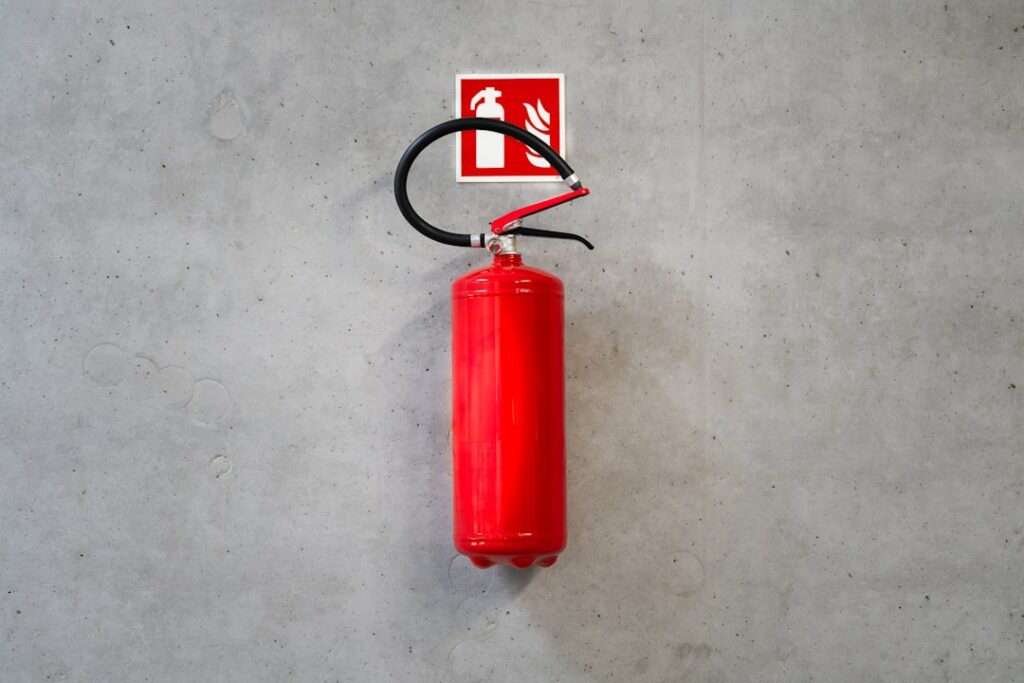
Every home in Plainfield benefits from having at least one fire extinguisher. Fires in the area generally start from kitchens, garages, or electrical sources common to most households. Even with modern smoke alarms and fire department readiness, a small, correctly used extinguisher can prevent minor incidents from becoming devastating events, especially before emergency help arrives.
What Types of Fire Extinguishers Should You Consider for Your Home?
Home extinguishers fall into several classes based on the type of fire they can put out. Local residents most often encounter the following fire risks:
- Class A: Ordinary combustibles like wood, paper, cloth
- Class B: Flammable liquids like grease, oil, gasoline
- Class C: Electrical fires from wiring, outlets, appliances
Multi-purpose ABC extinguishers are best for most area households. This type covers all three fire classes, making it a practical choice for kitchens, garages, and living spaces. For those who often grill outdoors or have workshops, a specialized extinguisher rated for grease or liquid fires (Class B) may supplement the main device.
How Big Should Your Home Fire Extinguisher Be?
For residential use, ease of handling matters as much as extinguishing power. A 5-pound ABC extinguisher balances capacity and maneuverability for adults, fitting well in kitchens or laundry rooms. Larger sizes may be unwieldy in tight spaces typical of Plainfield homes, while smaller (2.5-pound) models offer quicker access in bedrooms or vehicles, but may not last long enough for larger flames.
Keep in mind:
- Small units are lighter and easier to use, especially for children or older adults, but may empty rapidly.
- Larger, heavier units are best reserved for garages or workshops where a fire could spread before help arrives.
Where Should Extinguishers Be Placed in a Home?
Popular advice is to place extinguishers:
- In the kitchen, but not directly beside the stove (a fire could block access)
- In the garage or workshop, near an exit
- On each home level, ideally by stairways or main exits for a clear escape route
Homes with basements, finished attics, or detached garages may require additional units. Indoors, visible mounting and minimal obstructions help ensure fast, safe access.
How Do You Choose Between Rechargeable and Disposable Extinguishers?
Both types are found in Plainfield area stores. Disposable extinguishers are discarded after one use or when their pressure gauge drops. They’re low maintenance but create more waste. Rechargeable extinguishers cost more up front but can be refilled by certified technicians and usually feature sturdier construction. For most primary home locations, rechargeable models are a sound investment, provided you monitor the gauge and arrange periodic checks.
Are Fire Extinguishers Safe for Everyone to Use?
Most people can use home extinguishers after reading and following the operating instructions (often using the PASS method: Pull, Aim, Squeeze, Sweep). However, small children, those with mobility limitations, or individuals not physically able to lift and operate the unit should focus on evacuation instead of attempting to fight a fire.
Local families should discuss and practice the steps with all eligible household members. Understanding when to use an extinguisher (only for small, contained fires with a clear escape route) reduces panic during emergencies.
What Maintenance Is Needed to Ensure Extinguishers Work?
Regular checks increase confidence that an extinguisher will work in an emergency:

- Inspect the pressure gauge monthly; needle should be in the “green” zone
- Ensure the pin is secure and the nozzle is clear
- Check the body for rust, damage, or leaks
- Shake dry chemical models gently a few times a year to prevent powder from settling
Many extinguishers last 5-15 years. However, replace or service them if the gauge is not in the safe zone, after any use, or if they show physical deterioration.
Are There Unique Local Considerations for Plainfield Homes?
Area homes often have attached garages, basements, and a mix of newer and older electrical systems. Seasonal risks like increased indoor heating in winter or cookouts during the summer also play a role. Consider placing additional or larger extinguishers during higher hazard periods, such as when using fireplaces, space heaters, or outdoor grills.
Residents in multi-family units or rental housing should check with property management on extinguisher locations and policies, ensuring personal devices supplement (not replace) shared or building-provided safety equipment.
What Are Common Misconceptions About Home Fire Extinguishers?
A few widespread misunderstandings persist:
- Misconception: A single extinguisher in the kitchen is enough for the whole home.
- *Fact:* Fire can start anywhere; multiple accessible units improve safety.
- Misconception: All extinguishers work on all fire types.
- *Fact:* Using the wrong class can worsen certain fires; an ABC model covers most household risks.
- Misconception: Extinguishers last forever if unused.
- *Fact:* Age, pressure loss, and damage require eventual replacement or servicing.
Being aware of such details helps area residents choose, locate, and maintain extinguishers to match their specific household needs.