

 See My Latest Article on HelloNation
What Basic Fire Safety Knowledge Should Every Household in Plainfield, IN Have?
Every family should understand how house fires commonly begin and spread, especially given the mix of older and newer homes in Plainfield. Cooking mishaps, faulty wiring, unattended candles, overloaded outlets, and space heaters used in colder months are leading causes locally. Residents should also be aware that severe storms or power outages can create unusual fire risks from improvised lighting or heating.
To build a foundation for fire prevention, ensure everyone in the household knows:
- The locations and operation of smoke alarms and how to recognize their signals
- The difference between oven/stovetop, electrical, and grease fires
- The critical importance of not disabling smoke or carbon monoxide detectors, even during renovations or nuisance alarms
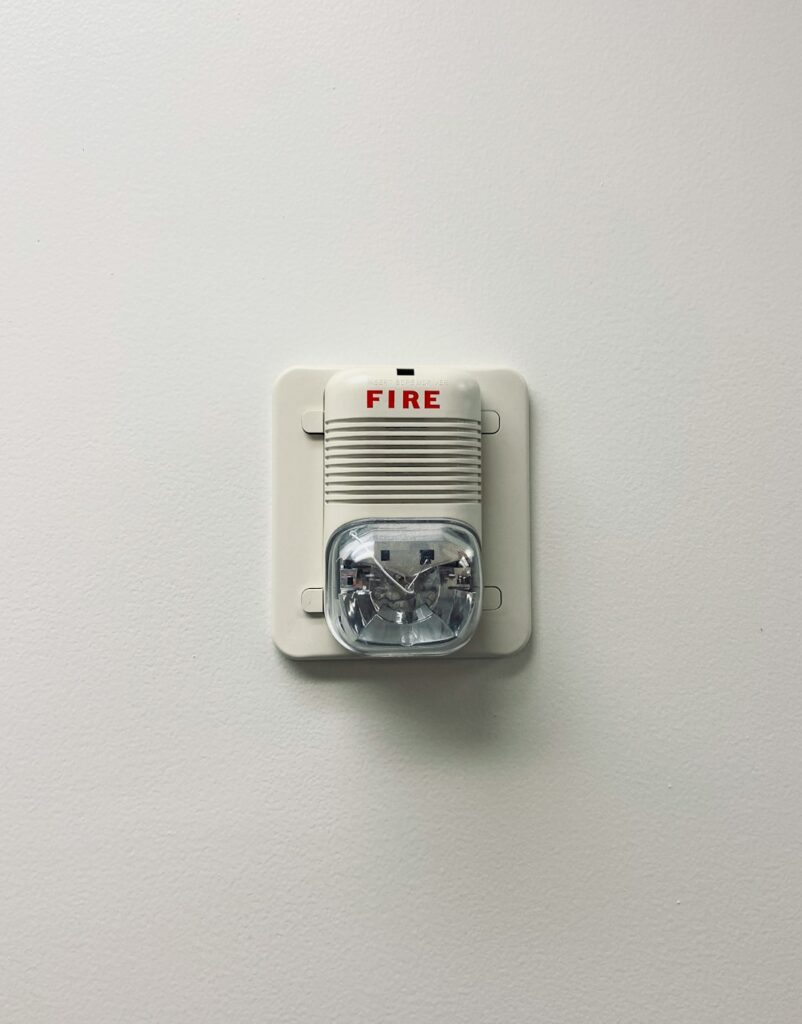
Properly installed and maintained smoke alarms greatly increase the odds of safe escape in the event of a fire. Indiana law requires smoke alarms outside each sleeping area and on every level of the home.
How Often Should Smoke Alarms Be Checked and Replaced?
Smoke alarms should be tested monthly and batteries changed at least once a year. If an alarm is beeping or chirping, investigate immediately—silencing a false alarm can tempt residents to disconnect or remove units, which can be dangerous.
Even hardwired alarms eventually deteriorate, and all smoke detectors should be replaced every ten years from the manufacturing date. Keep a reminder on your calendar based on the date stamped inside the alarm. Delaying replacement for even a year or two can undermine your family's safety, as sensors lose effectiveness with age, even if the device appears functional.
What’s the Right Way to Plan a Home Fire Escape Route?
A fire escape plan ensures everyone knows how to get out of the house quickly and safely. In Plainfield, homes vary in layout, so every household should have a custom escape plan.
Key elements:
- Two exit routes from each room, usually a door and a window
- A designated meeting spot outside and away from the home (such as a specific tree or mailbox)
- Practice escaping at least twice a year, including at night and with all occupants
Practice is critical, especially for children and older adults. Assign someone to help those with mobility needs. Emphasize crawling low under smoke and feeling doors for heat before opening them. Do not re-enter a building for belongings or pets.
Are Space Heaters and Fireplaces Safe to Use in Plainfield’s Winters?
Space heaters and fireplaces are common in local homes, especially during harsh Indiana winters. However, improper use is a frequent cause of fires.
Stay safe by:
- Keeping anything flammable at least three feet away from heaters or fireplaces
- Never leaving these sources unattended
- Using only space heaters with automatic shut-off features and placing them on flat, stable surfaces
- Ensuring fireplaces and chimneys are regularly cleaned and inspected for buildup or blockages
Portable fuel-burning appliances should never be used indoors, including gas or kerosene heaters (unless specifically rated for indoor use). Carbon monoxide poisoning is a serious risk in homes with poor ventilation.
What Should Children Know About Fire Safety?
Children should learn to recognize smoke alarms, understand “stop, drop, and roll,” and never hide during a fire. Role-play scenarios help normalize these lessons and reduce panic in a real emergency.
Teach children:
- Never touch matches or lighters, and to tell an adult if they find these items
- The sound of your home's smoke alarm and its meaning
- How to unlock windows and escape if a door is blocked
Be aware that some children may become frightened and hide in closets or under beds during a fire. Reassure them that getting outside and meeting at the family’s meeting place is always the right action.
How Can Appliance and Electrical Safety Reduce Fire Risk?
In Plainfield’s humid climate, aging outlets and appliance cords can deteriorate more quickly.

Easy precautions:
- Check for frayed wires, warm outlets, or frequent tripped breakers
- Unplug small appliances (such as toasters and coffee makers) when not in use
- Avoid overloading outlets with extension cords or multi-plug adapters
- Don’t run cords under rugs or pinch them in doors or windows
If you notice flickering lights or persistent burning smells, investigate immediately and refrain from using suspect circuits or appliances.
How Should Residents Respond If a Fire Starts?
If a fire breaks out, getting out and staying out is the priority. Call 911 from a neighbor’s home or a safe location. Do not attempt to fight larger fires yourself. In Plainfield, the local fire department’s average response time is only a few minutes, but seconds can make a difference.
Only attempt to use a fire extinguisher if:
- The fire is small and contained (such as a pan fire that hasn’t spread)
- Everyone else has started to evacuate
- You have a clear escape route behind you
Never use water to extinguish a grease or electrical fire. For grease fires, cover the pan with a metal lid and turn off the heat. For electrical fires, unplug the device if it’s safe to do so, and use a class C extinguisher.
What Are Common Fire Safety Misconceptions in Local Households?
Some local myths and risky habits include:
- Assuming a smoke alarm in the hallway is enough for the whole home—smoke can travel unpredictably
- Propping open fire doors or disabling self-closing mechanisms in apartment or multifamily housing
- Storing flammable materials, like lawnmower gas, paint, or propane, inside living spaces rather than a detached shed or ventilated garage
- Using portable generators or grills indoors during outages, which introduces fire and carbon monoxide hazards
Clear up these misconceptions within your family and discuss fire safety with neighbors, especially if you share walls or outdoor areas.
Where Can Residents Learn More About Fire Prevention in Plainfield?
Official information and seasonal safety tips are available from the Plainfield Fire Territory’s website and social media channels. Public agencies often provide home safety checklists and occasionally host educational events where families can practice using extinguishers or review evacuation plans. Neighbors can work together to support firewise landscaping, maintain shared spaces, and watch out for hazards in their community.