

 See My Latest Article on HelloNation
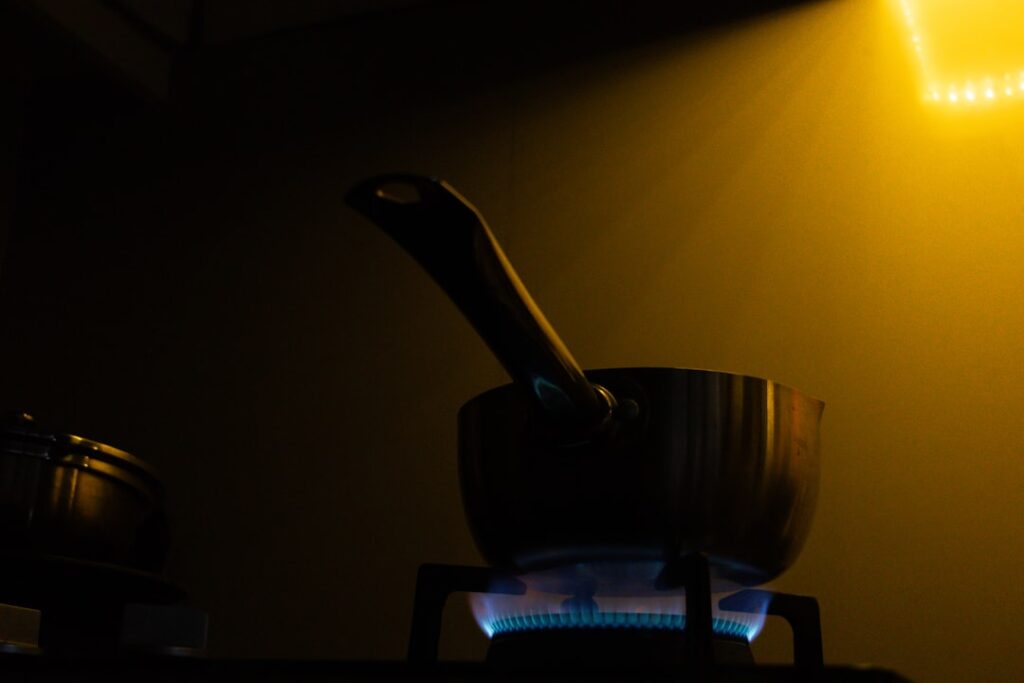
What Should You Do First If a Grease Fire Starts?
If a grease fire erupts while you’re cooking, acting quickly and correctly is critical. The first step is to stay calm and avoid any actions that could make the fire worse, such as using water. Grease fires behave differently from other types of kitchen fires and can escalate rapidly, especially in homes with gas ranges or open kitchens common to Plainfield residences.
Why Should You Never Use Water on a Grease Fire?
Pouring water on burning oil causes a violent reaction. Water instantly vaporizes on contact with hot grease, spreading flaming droplets and making the fire much larger. This not only risks severe burns but can rapidly endanger kitchen cabinets, range hoods, and even full homes. Residents sometimes think grabbing a glass of water is the quickest fix, but for kitchen fires involving oil or fat, this is extremely hazardous.
What Is the Safest Way to Smother a Grease Fire?
To put out a grease fire, you need to remove oxygen from the flames:
- If it’s safe, turn off the burner or heat source. This stops the fire from getting bigger.
- Slide a metal lid or baking sheet (never glass, which can shatter) over the pan. This starves the fire of air.
- Leave the cover in place until the pan is completely cool. Removing it too soon allows oxygen back in and may reignite the fire.
Most local kitchens in Plainfield are equipped with basic cookware, and using an available lid or cookie sheet is more effective than hunting for special equipment.
What If You Don’t Have a Lid or the Flames Are Too High?
If you can’t cover the fire safely, use a Class K or multi-purpose (ABC) fire extinguisher. These are designed for kitchen fires, but many homes may not keep one close at hand. Baking soda can be used to extinguish a small grease fire if nothing else is available. Pouring a generous amount directly onto the fire can help smother it, but avoid flour or baking powder, which can make the fire worse.
Never attempt to move a burning pan, as spills spread burning grease across countertops or floors, risking greater damage or injury.
When Should You Evacuate and Call 911?
If the fire is not immediately contained—or if you feel even slightly unsafe—evacuate everyone from the home. From there, call 911 from a safe location. Local dispatchers serving the Plainfield community are trained to respond to residential kitchen fires, and firefighters can reach most neighborhoods quickly due to the city’s suburban layout.
Don’t try to fight a spreading kitchen fire yourself. Smoke and toxic fumes can build up rapidly in closed kitchens, and even a contained grease fire can turn life-threatening in seconds if it spreads beyond the stove. Once you leave your home, stay out until emergency personnel declare it is safe to return.

What Should You Do After a Grease Fire?
Once the fire is out and it’s safe to re-enter, ventilate the area to clear smoke. Open windows and use fans if possible. Avoid touching or moving any damaged cookware until it has cooled completely. In Plainfield, many residents cook with gas or electric homes ranges, so check kitchen surfaces and vent hoods for damage before resuming use.
Dispose of oil or grease that was involved in the fire, even if it looks salvageable. Grease exposed to fire can develop hotspots or chemical changes that make it unsafe for future cooking.
How Can Local Residents Prevent Grease Fires?
Prevention is much safer than reacting to a fire. Local kitchens in Plainfield may be busiest on weekends and holidays when family gatherings are common:
- Never leave frying pans unattended, even briefly.
- Keep flammable items like towels, oven mitts, and paper goods away from the stove.
- Store a metal lid or baking sheet within easy reach of your main cooking area.
- Check that your smoke alarms are working, and know where your nearest fire extinguisher is located.
By understanding the steps to safely contain a grease fire and knowing when evacuation is necessary, Plainfield residents can protect their homes and families from kitchen fire risks year-round.