

 See My Latest Article on HelloNation
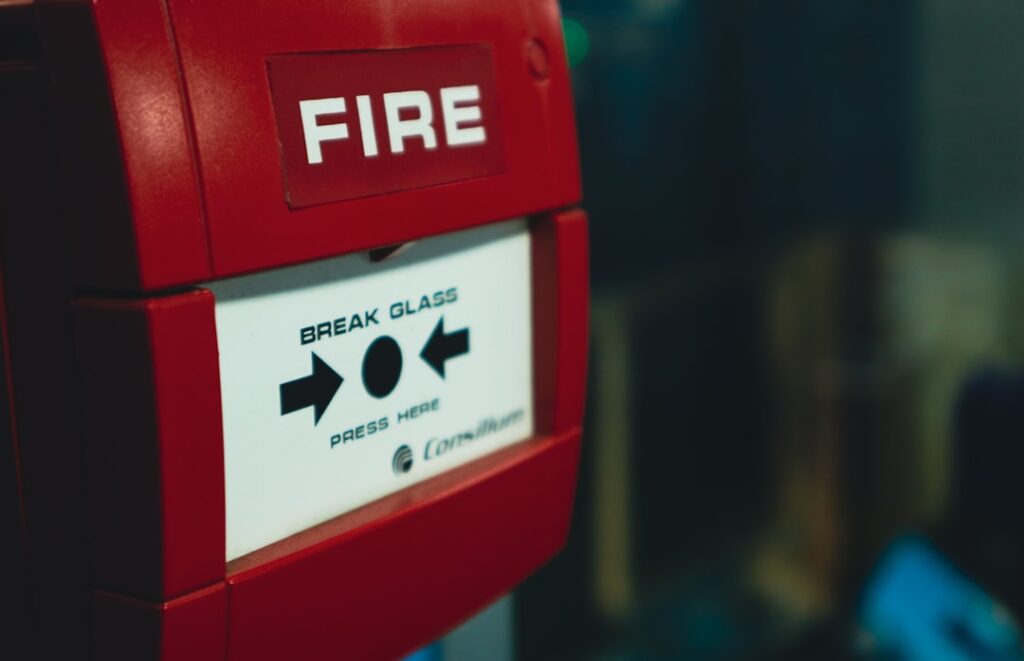
Are House Fires Really That Rare in Plainfield, IN?
House fires are often thought of as unlikely events, but they are more common than many believe—even in communities like Plainfield, IN that benefit from strong fire department coverage and relatively modern housing developments. Fires caused by cooking mishaps, overloaded outlets, or unattended candles are reported locally every year. While major fires may make headlines, smaller incidents can cause significant damage or injury without drawing much public attention.
What Do Local Fire Reports Show?
- Cooking is a leading cause of residential fires in the area.
- Electrical issues, such as outdated wiring in older homes or overloaded power strips, contribute to unexpected fire incidents.
- Many local households only become aware of fire risks after experiencing a close call or reading about an incident in a neighborhood newsletter.
Can Smoke Alarms and Sprinklers Prevent All House Fire Damage?
Smoke alarms and, where present, home fire sprinkler systems do save lives and can limit damage. However, they cannot prevent all consequences of a fire. Smoke alarms alert residents to the presence of smoke, giving time to escape, but do not stop the fire itself. Sprinkler systems can suppress many fires early, yet they are not present in most single-family homes in the community.
Practical Facts
- Smoke alarms should be installed in every sleeping area and on each level.
- Many fires happen at night, when people are less likely to notice smoke without alarms.
- Sprinklers are most common in multi-family buildings; most single-family homes only have portable fire extinguishers at best.
- False sense of security sometimes leads residents to skip basic safety habits, such as keeping combustibles away from stoves.
Does Fire Spread Faster Than People Expect?
Most people dramatically underestimate how quickly a fire can engulf a room or an entire house. Modern home furnishings—especially foam-filled couches, carpets, and plastic decor—burn faster and hotter than older materials. In many fires, residents have just a few minutes to escape safely.
Realistic Timeline
- A small flame can turn into an uncontrollable fire in under 30 seconds.
- Thick, toxic smoke can fill a room in a minute, making escape difficult.
- In newer homes with open floor plans, fires can spread even more rapidly due to lack of compartmentalization.
Will the Fire Department Arrive in Time to Save My Home?
The Plainfield fire service typically responds quickly, and local crews are highly trained. However, even the fastest response cannot always prevent extensive loss once a fire is burning out of control. The first few minutes before emergency help arrives are critical for life safety.
What This Means for Families
- Escape planning and practicing home fire drills matter as much as calling 911 quickly.
- Firefighters’ priority is saving lives, not belongings—property damage can still occur even with rapid response.
- Rural or less densely populated parts of the community may experience slightly longer response times.
Are Most House Fires Started by Carelessness?
While unattended cooking, candles, and improper disposal of cigarettes are major causes, other factors are involved. Faulty appliances, spontaneous combustion of oily rags (common in garages), and even lightning strikes occasionally cause fires.
Overlooked Risk Factors
- Space heaters placed too close to bedding or curtains
- Charging devices on soft, flammable surfaces
- Lack of routine maintenance on dryer vents, which can accumulate lint and ignite
- Storage of gasoline or propane inside attached garages

Will Smoke Give Enough Warning to Escape?
A frequent myth is that smoke will wake people up. In reality, smoke can be disorienting or even lethal while people sleep, due to carbon monoxide and other gases. This is why working smoke alarms are essential.
What Actually Happens
- Smoke from fast fires often incapacitates before flames are seen.
- Toxic gases can cause confusion, limit visibility, and paralyze decision-making.
- Children and older adults are at greater risk for not responding quickly to alarms.
Does Insurance Replace Everything Lost in a Fire?
Insurance helps with recovery, but some losses cannot be replaced. Important documents, family photos, or sentimental items often cannot be restored. Some residents assume that insurance will cover every expense, but deductibles, policy limits, and coverage gaps are common.
What You Might Overlook
- Temporary housing is covered only by certain policies.
- Out-of-pocket expenses after a fire can be significant.
- Irreplaceable mementos and heirlooms are often lost forever.
How Can Residents Put These Facts Into Daily Practice?
Understanding real fire risks means small habit changes can make a difference. Simple steps like testing smoke alarms monthly, practicing home escape plans, and using extension cords properly reduce risk. Seasonal considerations—such as increased fireplace use in winter or grilling in summer—require extra attention.
Everyday Fire Safety
- Store firewood, gasoline, and propane tanks outside the home.
- Keep space heaters at least three feet from anything flammable.
- Close bedroom doors at night to slow fire and smoke spread.
- Know two ways out of every room and keep exits clear.