

 See My Latest Article on HelloNation
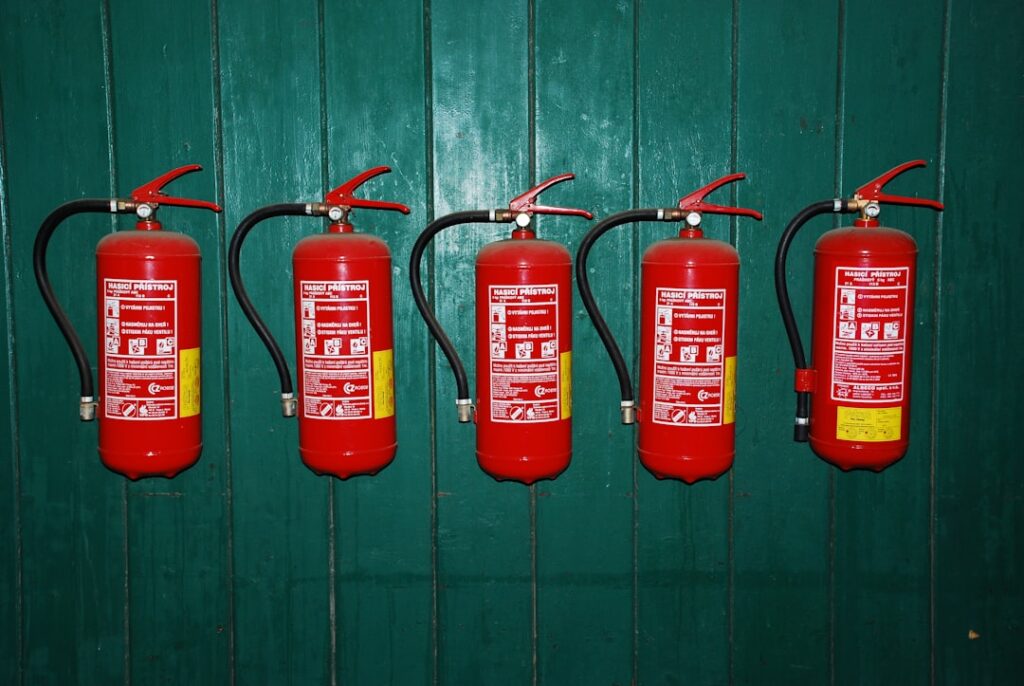
What Is the PASS Method and Why Does It Matter for Plainfield, IN Residents?
The PASS method is a straightforward, step-by-step approach for safely and effectively using a fire extinguisher. For residents in Plainfield, IN, understanding this method can be critical if a small fire starts at home, work, or in public spaces. While local fire services provide emergency response, the first moments of a fire are often the most important for stopping small fires from spreading.
The PASS acronym stands for Pull, Aim, Squeeze, and Sweep. Each step is designed to help anyone—regardless of experience—operate a typical portable fire extinguisher quickly and properly.
How Do You Use a Fire Extinguisher with the PASS Method?
The PASS method breaks down fire extinguisher operation into four simple steps:
- Pull: Remove the safety pin from the handle. This unlocks the mechanism so the extinguisher can be used.
- Aim: Point the nozzle or hose at the base of the fire—not at the flames themselves.
- Squeeze: Firmly squeeze the handle to release the extinguishing agent.
- Sweep: Move the nozzle from side to side at the base of the fire until it appears to be out.
Practicing these steps mentally helps build confidence, which is valuable during an actual emergency. Many Plainfield residents keep extinguishers in kitchens, garages, and basements due to common fire risks in those areas.
Why Is Each PASS Step Important in a Fire Emergency?
Each step in the PASS method has a clear purpose. Pulling the pin prevents accidental discharge, aiming low targets the source of the flames, squeezing controls the flow, and sweeping ensures comprehensive coverage. Skipping steps or rushing through them is a common mistake, especially for people who have never used a fire extinguisher before.
For homes in Plainfield, where cooking fires and electrical blazes are among the most common scenarios, targeting the base of the fire with steady, controlled movements makes extinguishing more efficient and reduces the chance of the fire reigniting.
Can the PASS Method Be Used with Any Fire Extinguisher?
Most extinguishers found in Plainfield homes, apartments, and small businesses use the PASS method, especially ABC dry chemical and kitchen-rated extinguishers. However, not every extinguisher is suitable for every type of fire.
- Class A: Ordinary combustibles like wood and paper
- Class B: Flammable liquids
- Class C: Electrical equipment
Local residents should always check the label for class letters and make sure the extinguisher type fits the fire risk in the area it’s stored. For unique hazards—like garages with fuel storage—verify extinguisher compatibility before an emergency arises.
What Are Common Issues and Misconceptions When Using Fire Extinguishers?
It’s easy to panic during a fire. Plainfield residents sometimes report pulling the pin but forgetting to aim properly, or spraying too far away so the agent misses the fire base. Others squeeze and sweep but at the flames rather than the source, which rarely works. Another misconception is using the wrong extinguisher type, which can actually make certain fires worse.
Additionally, expired or depressurized extinguishers are a hidden risk. Homeowners sometimes assume a stored unit will work without checking pressure gauges or expiration dates. Extinguishers should be inspected regularly, and everyone in the home should know where they’re kept and how to use them.

What Should You Remember About Fire Safety When Using an Extinguisher Locally?
Always know your limits. If a fire grows quickly, blocks your exit, or produces thick smoke, the safest choice is to leave immediately and alert the fire department. A portable extinguisher is intended for small, contained fires—such as a pan fire on a stovetop or a small wastebasket blaze.
For Plainfield households with multiple stories, consider extinguisher placement for easy access and unobstructed exit routes. After any extinguisher use, even if the fire appears out, it’s important to have the area checked by the fire department to ensure complete safety.
Where Should Fire Extinguishers Be Placed Around the Home?
In the city, it’s common to find extinguishers near kitchens, laundry rooms, and garages—places where heat, appliances, and flammable materials are present. Units should be mounted in visible, accessible locations, away from potential fire sources but within easy reach. Avoid hiding them in back closets or behind clutter, as quick response time is essential.
Local guidelines may suggest at least one extinguisher per floor of a home. For households with detached garages or workshops, keeping an extra unit nearby is a good practice.
How Can Local Residents Practice the PASS Method and Recognize Expired or Faulty Units?
Fire safety drills can be effective, especially for families. Walk household members through PASS steps with an empty or training extinguisher. Discuss safe evacuation routes and emphasize never turning your back on a fire.
To inspect units commonly found in the area:
- Check that pressure gauges are in the green zone.
- Ensure safety pins are intact and instructions are legible.
- Look for expiration or service dates, and replace any outdated extinguishers.
- Shake dry chemical extinguishers gently a few times each year to prevent clumping (if manufacturer instructions allow).
If unsure about an extinguisher’s readiness, local fire departments offer non-emergency guidance.