

 See My Latest Article on HelloNation
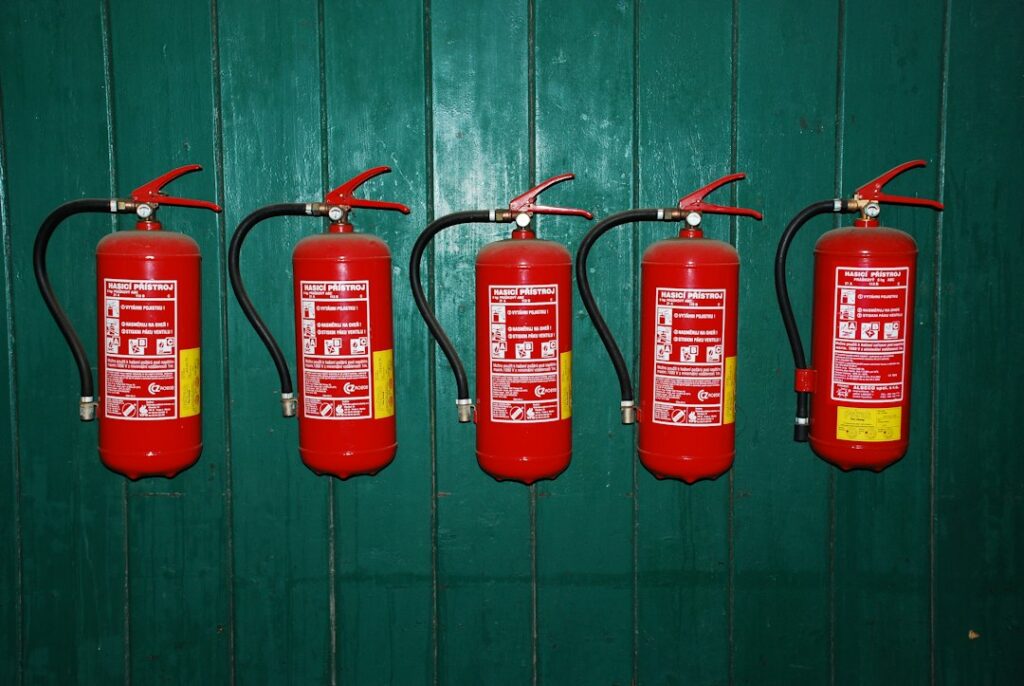
A fire emergency kit should help household members leave quickly, communicate clearly, and manage basic needs after evacuation. It should not encourage anyone to delay leaving, re-enter a building, or fight a fire that is spreading.
For residents of Plainfield, IN, a useful kit should account for winter cold, summer storms, power outages, pets, medications, and the needs of children, older adults, or anyone with limited mobility. Store the supplies where they can be reached quickly without passing through a likely fire area.
What belongs in an emergency fire kit?
The most useful kit combines emergency communication supplies, basic first aid, personal necessities, and information responders or family members may need. A backpack, sturdy tote, or small plastic container with a secure lid can work well.
Include:
- A flashlight for each household member, with extra batteries
- A battery-powered or hand-crank radio
- A phone charger and portable backup battery
- A first-aid kit with bandages, gauze, gloves, antiseptic wipes, and burn-care supplies
- A three-day supply of necessary medications, if possible
- Bottled water and shelf-stable food
- Hand sanitizer, wipes, tissues, and other hygiene supplies
- Blankets, warm clothing, sturdy shoes, and spare socks
- A whistle for attracting attention
- Cash in small bills
- Copies of identification, insurance information, medication lists, and emergency contacts in a waterproof bag
- Spare keys for the home and vehicles
- Basic supplies for infants, older adults, and people with disabilities
- Pet leashes, carriers, food, water, and medication
Indiana emergency-preparedness guidance recommends planning for at least three days of food and water, including approximately one gallon of water per person per day. A fire evacuation may last only a short time, but smoke damage, utility shutoffs, road closures, or a damaged home can make the kit useful afterward. ([in.gov](https://www.in.gov/dhs/get-prepared/emergencies/household-preparedness/?utm_source=openai))
Should a fire kit include a fire extinguisher?
A fire extinguisher may be kept in the home, but it is not a substitute for evacuation. Use one only when the fire is small, limited to a single object, and not spreading. Everyone else should be leaving, and the escape route should remain clear.
A household extinguisher should be:
- Appropriate for the types of fires that could occur
- Easy for an adult to lift and operate
- Stored near an exit rather than deep inside a room
- Kept visible and accessible
- Checked periodically for damage, pressure loss, or expiration concerns
Indiana fire-safety guidance advises keeping extinguishers near exits so a growing fire does not block the escape path. If the extinguisher does not stop the fire immediately, leave, close the door if possible, and call 911 from outside. ([in.gov](https://www.in.gov/dhs/get-prepared/fire-safety/fire-extinguishers/?utm_source=openai))
Do not use water on a grease fire or a fire involving energized electrical equipment. A lid or baking sheet may help smother a small cooking fire, but never move a burning pan.
What should be kept with the kit but not inside it?
Some fire-safety equipment needs to remain installed and ready rather than packed in a container.
Smoke alarms should be installed on every level, inside each bedroom, and outside each sleeping area. Carbon monoxide alarms should be placed outside sleeping areas and on every level, especially in homes with fuel-burning appliances. Test alarms monthly and replace smoke alarms according to the manufacturer’s service life. ([in.gov](https://www.in.gov/dhs/get-prepared/fire-safety/get-alarmed/?utm_source=openai))
The household should also maintain:
- A written fire escape plan
- Two possible exits from every room where feasible
- A designated meeting place outside
- A current list of emergency contacts
- A map showing windows, doors, stairs, and possible obstacles
- A way to unlock security bars or gates during an emergency
- A plan for assisting children, pets, older adults, and people with mobility or hearing needs

The Indiana Department of Homeland Security recommends practicing the escape plan at least twice each year, during both daytime and nighttime conditions when possible. A residential fire can become life-threatening very quickly, so the kit is most effective when paired with a practiced plan. ([in.gov](https://www.in.gov/dhs/get-prepared/fire-safety/fire-escape/?utm_source=openai))
How should the kit be stored?
Keep the kit near an exit, but not in a garage, basement, kitchen, or other area where a fire is likely to begin or spread. A front entry closet, hallway cabinet, or other accessible location may be more practical.
Avoid placing it behind heavy furniture or in a locked container that requires a key. If the household has multiple floors, a smaller backup kit upstairs can be useful, particularly for medications, flashlights, glasses, shoes, and warm clothing.
For homes with children, explain that the kit is for emergencies and show them how to find the flashlight and whistle. Do not store matches, lighters, fuel, or hazardous chemicals in the kit.
What changes for local seasonal conditions?
Households in Plainfield may need to adjust the kit throughout the year. Cold weather can make evacuation without coats or shoes dangerous, while summer thunderstorms can interrupt power and communications. Keep seasonal items available, such as:
- Winter coats, hats, gloves, and boots
- Rain gear and extra blankets
- Battery-powered lighting during storm season
- Extra water during periods of extreme heat
- Backup power for medically necessary equipment
- Copies of prescriptions and medical instructions
Never use a grill, camp stove, generator, or fuel-burning heater inside a home, garage, or enclosed porch. Carbon monoxide is odorless and can become dangerous without obvious warning. Any backup generator must be operated outdoors and away from doors, windows, and vents.
What should happen when an alarm sounds?
Treat every smoke or carbon monoxide alarm as a warning requiring immediate action. Wake others, leave using the safest available route, stay low if smoke is present, and close doors behind you if doing so does not slow escape.
Once outside:
- Go to the household meeting place
- Call 911
- Tell responders if anyone or any pet may still be inside
- Do not re-enter for medication, documents, phones, or valuables
- Do not return until authorities say the building is safe
The sound of an alarm should not be investigated casually. Indiana guidance identifies three beeps followed by a pause as a smoke alarm signal and four beeps followed by a pause as a carbon monoxide signal; either requires getting outside and calling 911. ([in.gov](https://www.in.gov/dhs/get-prepared/fire-safety/get-alarmed/?utm_source=openai))
How often should an emergency fire kit be checked?
Review the kit at least twice a year when the escape plan is practiced. Replace expired food, water, medications, batteries, and first-aid items. Update contact information after a move, new phone number, medical change, or change in household members.
Also check that shoes still fit, winter clothing is accessible, pet supplies are current, documents remain readable, and every family member knows where the kit is stored. Preparation is not a single purchase; it is a routine that keeps essential supplies usable when leaving quickly is the safest choice.