

 See My Latest Article on HelloNation
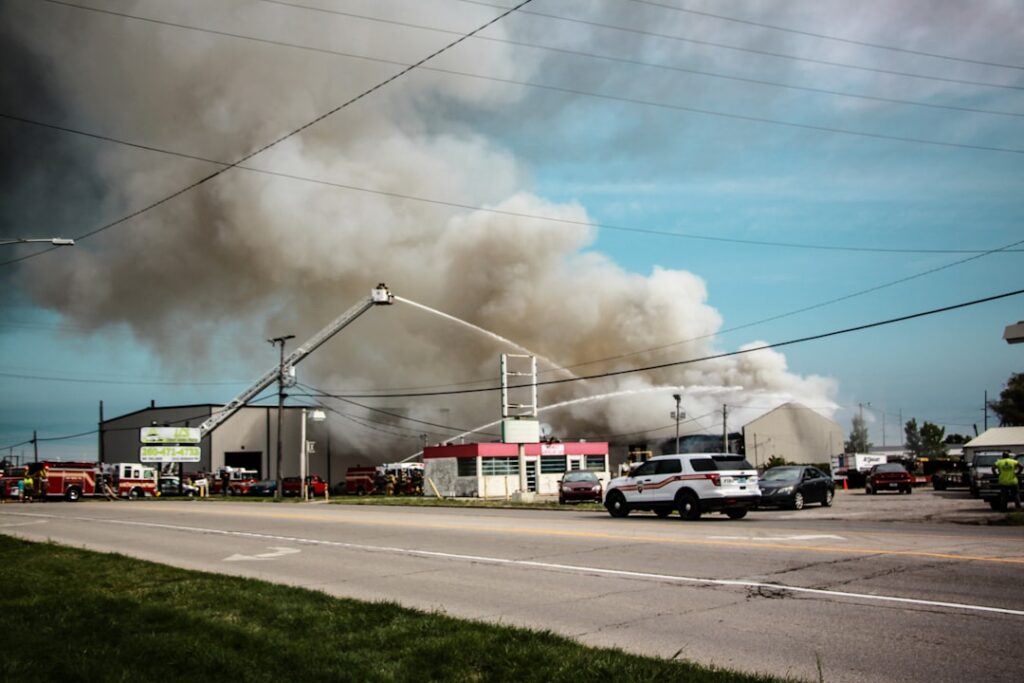
What Are the Most Frequent Causes of House Fires in Plainfield, IN?
Most house fires in Plainfield start due to everyday activities and equipment that are common in area homes. While accidents can happen anywhere, some risks are more likely based on local habits, seasonal heating needs, and the typical mix of older and newer housing.
The most common causes include:
- Cooking-related incidents, especially unattended stovetops and ovens
- Electrical issues, such as overloaded outlets or aging wiring
- Heating equipment, including space heaters and fireplaces
- Careless use of candles or smoking materials
- Dryer vent buildup from infrequent cleaning
Homes in the community often have a mix of older and modern electrical systems. Combined with cold winter temperatures leading to frequent use of heaters, this can increase risks if safety steps aren't routinely followed.
How Can Cooking Fires Be Prevented?
Cooking is the leading cause of residential fires in the area, mainly sparked by distraction or flammable items left too close to heat sources.
To minimize risk:
- Stay in the kitchen whenever cooking on the stovetop, even briefly
- Keep flammable items—like towels, mitts, and paper—away from the stovetop
- Use a timer to remind yourself about food in the oven
- Turn pot handles inward to prevent knocks or spills, which can spark fires
- Immediately clean up grease spills
Local fire incident reports often cite unattended cooking as a trigger for significant fire damage. Even quick trips outside to bring in the mail or talk to a neighbor can lead to loss of awareness and greater danger.
Are Electrical Fires a Risk in Area Homes?
Electrical fires can start when outlets are overloaded, cords are damaged, or wiring is outdated. Many homes in the city include basements or attics where electrical issues are less likely to be noticed.
Simple precautions include:
- Avoid using multiple high-wattage appliances on a single outlet
- Replace frayed, cracked, or damaged cords right away
- Never use extension cords as permanent power solutions
- Ensure that major appliances are plugged directly into wall outlets
- If lights flicker, breakers trip frequently, or outlets feel warm, these can be warning signs
Households updating older homes with modern electronics sometimes underestimate the needed upgrade to electrical systems. This mismatch can silently increase risk unless addressed.
What Steps Prevent Heating-Related Fires?
Space heaters, wood stoves, and fireplaces—common in Plainfield during winter months—provide comfort but carry fire hazards when misused.
To reduce risk:
- Keep anything flammable (such as furniture, rugs, or bedding) at least three feet from heating devices
- Only use space heaters with automatic shutoff features, and never leave them running unattended
- Have chimneys, flues, and heating equipment inspected yearly, especially before heavy seasonal use
- Dispose of fireplace ashes in a metal container outdoors
Many local fire incidents involve portable heaters being left too close to combustible materials or used in rooms left unattended overnight.
Why Are Dryer Vents and Laundry Areas Fire Sources?
Lint buildup inside dryer vents is the leading laundry-related fire hazard. Many residents overlook this risk, especially in multi-level homes where venting may be concealed.
Prevention tips include:
- Clean the lint filter after each load
- Visually inspect and clean the dryer vent duct at least once a year
- Make sure dryer ducts are metal, not plastic or foil, which burn more easily
- Don’t run the dryer overnight or when nobody is home

Dryer fires often smolder before breaking out, sometimes causing extensive smoke damage before being discovered.
Do Candles and Smoking Still Cause Fires?
Open flames always bring a higher risk, and local fire responses sometimes involve fires started by candles, incense, or dropped smoking materials.
Common-sense steps include:
- Blow out candles and incense before leaving a room or going to sleep
- Use sturdy, tip-resistant holders on heat-resistant surfaces
- Keep candles away from curtains, bedding, and pets
- Never smoke in bed; ensure cigarettes are fully extinguished in water or sand
Many people believe small candles or tealights are safer, but even these can ignite fires if knocked over or left near clutter.
How Should Households Prepare for Fire Emergencies?
Prevention is critical, but planning for a fast response can save lives if a fire does occur.
Key actions for area households:
- Install and test smoke alarms on every level and near all bedrooms; change batteries yearly
- Make and practice a home fire escape plan that includes two ways out of every room
- Keep exits clear of clutter, especially in winter when boots and outerwear can accumulate
- Teach children and family members how to “stop, drop, and roll” and how to call 911
Local climate and weather can influence fire risks—for example, more space heaters are used during cold snaps, and snow piles may obstruct exits or delay emergency response.
What About Grilling and Outdoor Fire Hazards?
Grilling and outdoor fire pits are popular during warmer months, but improper use can endanger homes, especially where yards back up close to neighboring houses or fences.
Stay safe by:
- Only using grills and fire pits outdoors, well away from siding, eaves, and deck railings
- Never leaving fires or hot coals unattended
- Ensuring ashes are cold before disposal
- Paying extra attention to wind conditions, which can spread embers rapidly
In some parts of Plainfield, local regulations may limit burning or require permits for open flames; always check and follow up-to-date guidelines.
Are There Misconceptions That Lead to Overlooked Risks?
Some area residents might believe a small kitchen or “flameless” candle means there’s no danger, or that fire risks are only serious in older homes. In reality, most household fires begin with a brief lapse—like forgetting a pan on the stove, skipping chimney cleaning, or overloading an extension cord “just once.” Recognizing everyday habits and addressing small oversights makes the biggest impact on reducing fire danger for the whole community.